
A Guide to Choosing The Right Crane For Your Project
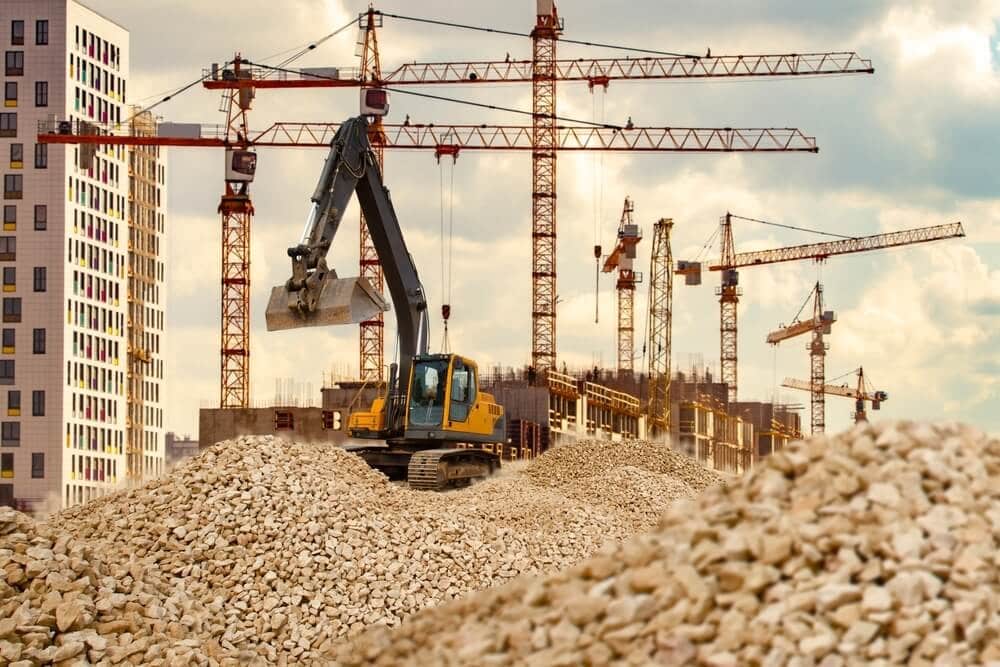
When it comes to construction or industrial projects, selecting the right crane is a critical decision. The type of crane you use can influence not only the efficiency of your project, but also the safety, cost and overall success. With numerous types of cranes available, it’s essential to understand the applications of each one.
In this guide, we’ll walk you through the numerous types of cranes for hire, their typical uses, and how to determine which is best for the task at hand.
The Types Of Cranes
Mobile Cranes
These cranes are the backbone of many construction and industrial operations due to their adaptability and power. Mobile cranes are designed for both lifting and mobility, which allows them to be used in a wide range of environments.
Self-Erecting Cranes
A self-erecting crane is a compact and versatile option, perfect for smaller construction sites or areas with little space. These cranes are ideal for projects that require a quick and simple setup. Whether you’re in a confined urban space or a tight industrial area, self-erecting cranes can be assembled and ready to lift in a fraction of the time compared to traditional cranes.
Advantages:
- Quick setup – can be assembled in hours, which is crucial for time-sensitive projects
- Compact – as they’re small, they’re ideal for tight or compact spaces
- Efficient operation – operates with ease and speed, reducing downtime

All-terrain Cranes
Combining the strength and lifting capacity of larger cranes with the flexibility of mobility, all-terrain cranes are extremely powerful machines. They can easily travel across uneven or rough terrain, and so are an excellent fit for rural areas.
- Great mobility – as they’re designed to navigate uneven terrain, they’re ideal for challenging locations
- Heavy lifting capacity – these cranes can handle large loads and heavy-duty tasks like lifting steel beams, equipment, or large infrastructure elements
City Cranes
As the name suggests, city cranes are specifically for use in urban settings where space is a premium. They offer impressive lifting capabilities while being small enough to manoeuvre in tight spaces, such as between buildings or infrastructure.
Advantages of city cranes:
- Space-efficient – due to their size, city cranes are perfect for crowded places
- Powerful yet compact – despite their size, they can lift significant loads, making them versatile for construction, maintenance, and event setup
Tower Cranes
Tower cranes are a staple on large construction sites, particularly for high-rise buildings and major infrastructure projects. These cranes are fixed to the ground (or sometimes to the structure itself) and provide incredible lifting height and reach, making them ideal for projects where vertical lifting is a key requirement.
Advantages of tower cranes:
- Exceptional height – Tower cranes can reach heights that mobile cranes can’t, making them perfect for multi-storey buildings
- Long reach – With their extended jib, tower cranes can lift materials to areas that are difficult to access with other cranes
- Heavy lifting capacity – Tower cranes can lift extremely heavy loads, such as steel beams, concrete panels, and large mechanical equipment
Telescopic Cranes
These versatile cranes feature a telescopic boom that extends and retracts to enable the crane to reach specific heights. Telescopic models are usually found on construction sites where mobility and quick set-up are essential.
Advantages of telescopic cranes:
- Adjustable reach: The telescopic boom extends or retracts to suit the needs of each lift
- Quick setup: These cranes are ideal for tight schedules as they can be deployed rapidly
- Mobility: Telescopic cranes are typically mounted on wheels, making them easy to transport between sites
Choosing the Right Crane for Your Project
Selecting the best crane for your specific needs involves considering several factors:
The scale of your project
- Small-scale projects – For residential or light commercial builds, a smaller crane, such as a self-erecting crane or a city crane, should be sufficient.
- Large-scale projects – For complex industrial or infrastructure projects, an all-terrain crane may be required to handle heavy lifting tasks over expansive areas.
Type of terrain
- Uneven terrain – If your site has uneven or rough ground, such as hills or gravel, an all-terrain crane is the best option to ensure safe and stable lifting.
- Tight spaces – For urban areas with limited space, city cranes or compact mobile cranes are more suitable due to their ability to manoeuvre in confined spaces.
Lifting capacity
- Cranes vary in their lifting capacity, so understanding the weight of the loads you need to lift is essential. Our fleet includes cranes with capacities ranging from lighter lifts to heavy-duty models capable of lifting multiple tons.
Why Choose BJW Crane Hire?
With over 25 years of experience in crane hire and lifting services, we’re trusted by construction, industrial, and infrastructure professionals across Yorkshire, Humberside, Lincolnshire, and beyond. We offer expert advice with our team of specialists on hand to assist you with crane selection and more!
For more information or to book your crane hire, contact us today.